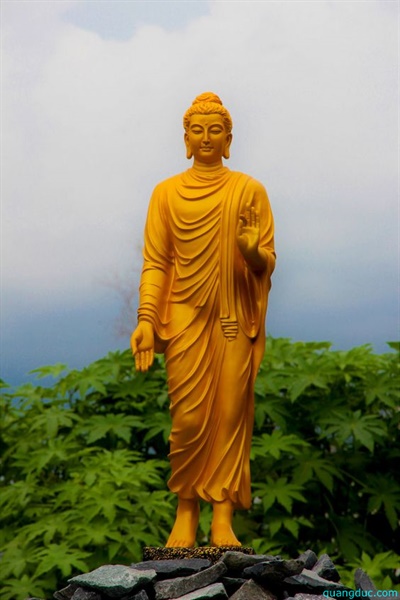
|
1 |
OPEN-MINDEDLY SKEPTICAL |
HOÀI NGHI Bài viết: Giảng viên Andrew Williams Việt dịch: Diệu Thông Đặng Thị Ái Kiển |
|
2 |
Prior to sharing some thoughts on the question, 'According to 2010 statistics, the number of Buddhists around the world is consistently increasing by approximately 5% to 10% per annum. What do you think are the main causes for this increase?', I should mention that I'm often 'open-mindedly skeptical' about such surveys, and the statistics gathered during such surveys. For where does the information come from and how is the information gathered, and for what purpose, and so on and so forth. |
Trước khi có ý kiến về câu hỏi ‘Theo thống kê năm 2010, mỗi năm Phật giáo đồ trên thế giới liên tục gia tăng khoảng từ 5% đến 10%, theobạn thì lý do chính nào đã tạo nên sự gia tăng này?’,tôi xin nói tôi là người thường hay ‘hoài nghi’ về dữ liệu của những nghiên cứu, và về những dữ kiện thống kê thu thập được. Chẳng hạn như tin tức này bắt nguồn từ đâu, làm sao có được và với mục đích gì, vân vân và vân vân
|
|
3 |
By 'open-mindedly skeptical' I mean that I don't just believe the information blindly, nor do I disbelieve the information blindly. I'm open-minded and realise that such information may in some way be helpful on many levels. To further clarify what I mean, it may be helpful to reflect on the following words of the Buddha in the Kalama Sutra: Do not believe in anything (simply) because it is found written in your religious books. |
‘Hoài nghi’ ở đây có nghĩa là tôi không chỉ mù quáng tin vào những tin tức đó, và cũng không mù quáng không tin những tin tức đó. Tôi là người cởi mở và nhận biết rằng những thông tin như thế cũng có thể giúp ích ta theo nhiều mức độ khác nhau. Để rõ ràng hơn, tôi xin trích lời giảng của Đức Phật trong thời kinh Kalama, mong rằng sẽ phản ảnh được ý tôi muốn nói: “ Chớ có tin những gì mà ta nghe được; Chớ có tin những gì theo truyền thống vì nó được lưu truyền qua nhiều đời; Chớ có tin những lời đồn đãi bởi nhiều người; Chớ có tin những gì được viết trong kinh điển từ tôn giáo mình; Chớ có tin những gì chỉ được viết từ những người quyền uy là bậc đạo sư của mình hay các vị trưởng lão. Nhưng nếu sau khi quan sát, phân tích mà chúng ta tìm thấy được những lý do phù hợp và mang lợi ích cho một hay nhiều người thì ta nên chấp nhận và cứ sống theo như vậy.”(*) |
|
4 |
I'd now like to share a few thoughts on this subject. Again my intention here is not to give a definitive answer, but to give readers 'food for thought', to enable each of us to be responsible and think for ourselves. So that each of us can develop genuine insight. |
Bây giờ tôi muốn chia sẻ một vài ý trong đề tài này. Một lần nữa dự tính của tôi là không cho một câu trả lời dứt khoát nào, mà chỉ nhằm trao cho người đọc ‘ thức ăn về tư tưởng’ hay ‘thức thực’ để mỗi người chúng ta chịu trách nhiệm và suy nghĩ về bản thân của chính mình. Vì vậy mỗi người chúng ta có thể phát triển khả năng trí tuệ bẩm sinh của mình. |
|
5 |
Perhaps we can begin by noting that the worlds population is rising rapidly, and this is one of the causes of the rise in the number of Buddhist practitioners in the world. In addition, it might be helpful to note that due to so-called 'popular culture', the number of practising Buddhists, as with other religions, may fluctuate depending on what is regarded as 'popular' or 'not popular' at any given time. 'Popular culture' is strongly influenced by the various types of media, and the various types of agenda's within the media. We people are often very fickle, following one thing after another, depending on what we are confronted with and what we feel attracted to at any particular time. |
Có lẽ ta có thể bắt đầu bằng sự ghi nhận việc gia tăng nhanh chóng của dân số trên thế giới, và điều này đã dẫn đến sự gia tăng số người theo đạo Phật. Thêm vào đó, ta cũng nên lưu ýdo cái gọi là ‘văn hóa thịnh hành’, số người theo đạo Phật, cũng như các tôn giáo khác dao động tuỳ theo sự ‘thịnh hành ‘ hay ‘không thịnh hành’ vào đúng thời điểm của nó. ‘Văn hóa thịnh hành’ ảnh hưởng mạnh bởi các loại phương tiện truyền thông, và chương trình nghị sự của giới truyền thông. Con người chúng ta thường thay đổi, chạy theo việc này đến việc kia, tùy theo việc mà chúng ta đang đối đầu, và thường bị lôi cuốn trong khoảng thời gian đặt biệt nào đó. |
|
6 |
That said, according to 'Buddhist Weekly' the latest estimates of Buddhist population worldwide is at over 1.6 billion, which is almost a quarter of the worlds population. This is quite remarkable for a non-aggressive and peaceful spiritual path with no mission to proselytise. |
Nguồn tin từ tờ ‘'Buddhist Weekly’ với sự ước đoán Phật giáo đồ trên toàn thế giới bây giờ là trên 1,6 tỷ, như vậy là gần một phần tư dân số thế giới. Sự gia tăng tín đồ của một tôn giáo vốn không bạo động và an bình mà không kinh qua sự cải đạo là một điều đáng tán thán. |
|
7 |
In recent times, Buddhism has spread to many countries throughout the world, especially during the last few decades. This is due in part to people migrating around the world from various Buddhist cultures, and to their '2nd generation', who either moved to these countries as children or were born there. |
Hiện nay, Phật giáo đang trải rộng tại nhiều quốc gia trên thế giới, đặt biệt là vào những thập niên gần đây. Một phần cũng là do bởi di dân định cư khắp mọi nơi trên thế giới vốn là Phật giáo đồ của nhiều tông phái, và có cả ‘thế hệ thứ hai’ là con cháu, hoặc được sanh tại xứ sở của họ, hoặc được sanh tại các nước định cư. |
|
8
|
It is also due in part to the genuine interest in these precious teachings and way of life shown by people of all backgrounds. Some of whom have deep virtuous roots from practising the Dharma in previous lives, and others who are totally new to the Dharma, having a strong attraction to the peace, harmony and understanding that results from the Buddhist practises of morality, meditation and wisdom. Many people also understand that Buddhism is inclusive, non-biased and freely available to people of all backgrounds. |
Một phần cũng là sự quan tâm thực sự tới giáo lý quý giá này và lối sống của những người thuộc mọi bối cảnh . Một số có đạo đức sâu dày do vì đãcótu hành từ nhiều đời trước, còn số khác tuy chỉ mới được gieo duyên nhưng được thu hút bởi sự an bình, hài hòa, và hiểu biết qua kết quả của sự thực hành giáo lý, thiền tập và trí huệ. Nhiều người cũng biết đươc là đạo Phật có tư tưởng vị tha, không thiên kiếnvà sẵn sàng tiếp nhận mọi người từ đủ mọi tầng lớp. |
|
9 |
I think that the 'main' reason that the number of 'genuine' Buddhist practitioners has increased worldwide is the fact that the Buddha's teachings are timeless and pragmatic, effective and experiential, and can be practically applied to our daily lives. I also feel that modern scientific findings have a great deal to do with more and more people studying and practising the pure Dharma. |
Theo tôi lý do chính khiến cho số Phật tử ‘thuần thành’ gia tăng trên thế giới do vì những lời dạy của Đức Phật có tính vượt thời gian, thực tiển, có hiệu quả và đầy kinh nghiệm mà ta có thể áp dụng để thực hành cho bản thân mình trong đời sống hàng ngày. Tôi cũng cảmthấy những phát minh của khoa học hiện đại càng lúc càng cần có những người nghiên cứu và thực hành chánh Pháp của đạo Phật. |
|
10 |
|
Khi nhà Bác học Albert Einstein điềmnhiên tuyên bố rằng: “ Khoa học không tôn giáo thì bị què quặc. Tôn giáo không khoa học là tôn giáo mù”; “Đạo Phật không cần cập nhựt với các nghiên cứu của khoa học hiện đại vì tự tánh nó đã có sẵn sự hiện đại rồi”; “Đạo Phật không cần phải quy phục các quan điểm của khoa học vì trong đạo Phật đã có sẵn tính khoa học cũng như nó đã vượt xa khoa học rồi.” và “Nếu có tôn giáo nào có thể đáp ứng đúng với những nhu cầu của khoa học hiện đại, đó chính là Đạo Phật vậy.”
|
|
11 |
The Buddha recommends, invites and encourages all who are interested to thoroughly investigate, analyse and test the Dharma teachings. Just as a goldsmith tests for real gold. Not to just believe in them with blind faith. |
Đức Phật khuyến khích, khuyên bảo, mời gọi tất cả những ai có lòng quan tâm, thì hãy nghiên cứu kỹ lưỡng,phân tích và kiểm nghiệm giáo Pháp của Ngài. Như người thợ kim hoàn phải thử để biết vàng thật. Chứ đừng nên tin tưởng một cách mù quáng. Ngài còn khuyên bảo chúng ta nên hết lòng thực hành giáo lý và tinh tấn tu hành để nhận thức được kết quả của con đường Đạo, đó là giác ngộ. |
|
12 |
If we do as he recommends, we will realise that his teachings are very clear and that they make perfect sense. That they are perfectly logical when tested with critical analysis and that they are in accord with modern scientific findings. In more than 2,600 years they have never been proven wrong. |
Nếu chúng ta làm theo lời huấn thị, chúng ta sẽ nhận ra rằng giáo lý của Ngài rất rõ ràngvà hoàn toàn có ý nghĩa. Nó hoàn toàn hơp lý khi ta kiểm tra bằng sự phê bình phân tích,và nó rất phù hợp với những phát minh hiện đại. Trải qua hơn 2.600 năm,giáo lý này chưa bao giờ bị chứng minh là sai. |
|
13 |
Take for instance the Buddhist belief in the Law of Karma, which is a view that has been checked and analysed by many great practitioners and realised masters. Conviction in its validity is gained through logical reasoning. It should not simply be followed blindly. |
Thí dụ như luật Nhân Quả trong đạo Phật, là một quan niệm được kiểm nghiệm và phân tích bởi nhiều Đại hành giả và các Tổ sư đã chứng ngộ. Sự phán quyết mang tính hợp lệ là kết quả của sự lý luận hợp lý.Không phải là ta tin theo một cách mù quáng. |
|
14 |
I'd like to conclude with the following statement by historian, Arnold Toynbee: "The coming of Buddhism to the west may well prove to be the most important event of the 20th century." |
Để kết luận, tôi xin đưa ra lời phát biểu của nhà Sử học Arnold Toynbee: “Sự xuất hiện của Đạo Phật ở phương tây được chứng minh là sự kiện quan trọng nhất trong thế kỷ 20.” |
|
15 |
I hope that these words are somewhat helpful and beneficial on your path to enlightenment. May the precious Buddha Dharma flourish throughout the whole world. |
|
(*)Theo bản dịch của cố Hoà Thượng Thích Minh Châu
Diệu Thông Đặng Thị Ái Kiển chuyễn ngữ
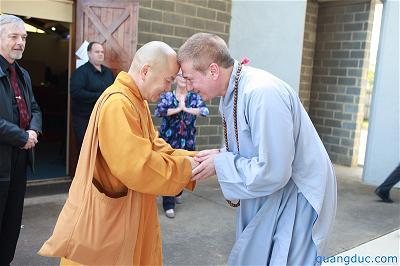
OPEN-MINDEDLY SKEPTICAL
By Dharma Teacher Andrew Williams
Prior to sharing some thoughts on the question, 'According to 2010 statistics, the number of Buddhists around the world is consistently increasing by approximately 5% to 10% per annum. What do you think are the main causes for this increase?', I should mention that I'm often 'open-mindedly skeptical' about such surveys, and the statistics gathered during such surveys. For where does the information come from and how is the information gathered, and for what purpose, and so on and so forth.
By 'open-mindedly skeptical' I mean that I don't just believe the information blindly, nor do I disbelieve the information blindly. I'm open-minded and realise that such information may in some way be helpful on many levels. To further clarify what I mean, it may be helpful to reflect on the following words of the Buddha in the Kalama Sutra:
"Do not believe in anything (simply) because you have heard it.
Do not believe in traditions because they have been handed down for many generations.
Do not believe in anything because it is spoken and rumoured by many.
Do not believe in anything (simply) because it is found written in your religious books.
Do not believe in anything merely on the authority of your teachers and elders.
But after observation and analysis, when you find that anything agrees with reason and is conducive to the good and benefit of one and all then accept it and live up to it."
I'd now like to share a few thoughts on this subject. Again my intention here is not to give a definitive answer, but to give readers 'food for thought', to enable each of us to be responsible and think for ourselves. So that each of us can develop genuine insight.
Perhaps we can begin by noting that the worlds population is rising rapidly, and this is one of the causes of the rise in the number of Buddhist practitioners in the world. In addition, it might be helpful to note that due to so-called 'popular culture', the number of practising Buddhists, as with other religions, may fluctuate depending on what is regarded as 'popular' or 'not popular' at any given time. 'Popular culture' is strongly influenced by the various types of media, and the various types of agenda's within the media. We people are often very fickle, following one thing after another, depending on what we are confronted with and what we feel attracted to at any particular time.
That said, according to 'Buddhist Weekly' the latest estimates of Buddhist population worldwide is at over 1.6 billion, which is almost a quarter of the worlds population. This is quite remarkable for a non-aggressive and peaceful spiritual path with no mission to proselytise.
In recent times, Buddhism has spread to many countries throughout the world, especially during the last few decades. This is due in part to people migrating around the world from various Buddhist cultures, and to their '2nd generation', who either moved to these countries as children or were born there.
It is also due in part to the genuine interest in these precious teachings and way of life shown by people of all backgrounds. Some of whom have deep virtuous roots from practising the Dharma in previous lives, and others who are totally new to the Dharma, having a strong attraction to the peace, harmony and understanding that results from the Buddhist practises of morality, meditation and wisdom. Many people also understand that Buddhism is inclusive, non-biased and freely available to people of all backgrounds.
I think that the 'main' reason that the number of 'genuine' Buddhist practitioners has increased worldwide is the fact that the Buddha's teachings are timeless and pragmatic, effective and experiential, and can be practically applied to our daily lives. I also feel that modern scientific findings have a great deal to do with more and more people studying and practising the pure Dharma.
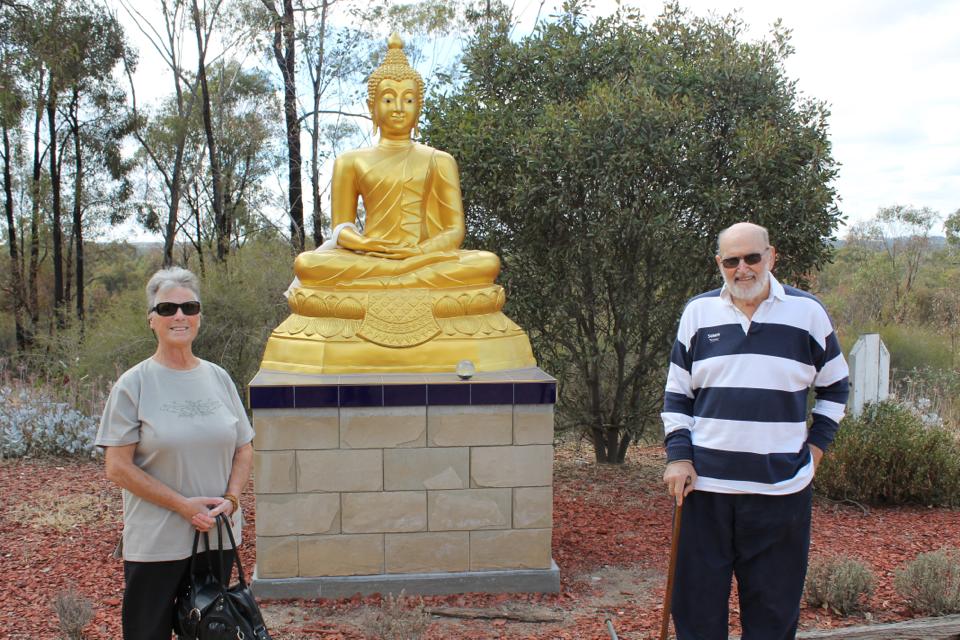
As Albert Einstein so poignantly stated: "Science without religion is lame. Religion without science is blind."; "Buddhism requires no revision to keep it up-to-date with recent scientific finding."; "Buddhism does not need to surrender its views to science, because it embraces science as well as goes beyond science." and "If there is any religion that could cope with modern scientific needs, it would be Buddhism."
The Buddha recommends, invites and encourages all who are interested to thoroughly investigate, analyse and test the Dharma teachings. Just as a goldsmith tests for real gold. Not to just believe in them with blind faith.
He then advises us to wholeheartedly put them into practise and to work diligently towards realising the result of the Dharma path, enlightenment.
If we do as he recommends, we will realise that his teachings are very clear and that they make perfect sense. That they are perfectly logical when tested with critical analysis and that they are in accord with modern scientific findings. In more than 2,600 years they have never been proven wrong.
Take for instance the Buddhist belief in the Law of Karma, which is a view that has been checked and analysed by many great practitioners and realised masters. Conviction in its validity is gained through logical reasoning. It should not simply be followed blindly.
I'd like to conclude with the following statement by historian, Arnold Toynbee: "The coming of Buddhism to the west may well prove to be the most important event of the 20th century."
I hope that these words are somewhat helpful and beneficial on your path to enlightenment. May the precious Buddha Dharma flourish throughout the whole world.


%7Cutmcsr%3D(direct)%7Cutmcmd%3D(none)%3B%2B__utmv%3D545282461.-%3B)