|
|
WHY IS BUDDHISM SO DIVERSE? |
Lý do nào khiến cho đạo Phật có nhiều tông pháikhác nhau? Bài viết: Giảng viên Andrew Williams Việt dịch: Diệu Thông Đặng Thị Ái Kiển |
|
|
I think we can all agree that the reason for the many diverse traditions and paths within Buddhism is that all sentient beings, in one way or another, are different, both mentally and physically, and therefore each individuals needs are also different. |
Theo tôi tất cả chúng ta có thể đồng ý rằng lý do khiến cho đạo Phật có nhiều tông phái và nhiều đường lối khác nhau trong cách hành trì: đó là vì chúng sanh có nhiều căn cơ khác nhau, về cả tâm tánh lẫn hình dáng, thế nên nhu cầu của mỗi cá nhân có khác. |
|
|
The Buddha explained that we sentient beings all have different and limited levels of understanding of this or that, and even if we focus on the very same thing, we will perceive it according to our own perspective. From our own limited viewpoint. |
Đức Phật đã giảng rằng tất cả chúng sanh trình độ tiếp thu có hạn chế khác nhau về điều này hay điều kia. Cho dù ta có chú tâm đến cùng một vấn đề đi nữa thì tuỳ thuộc vào quan điểm của từng người mà ta sẽ có được những nhận thức khác nhau. Do từ việc quan điểm có hạn chế. |
|
|
We tend to perceive things and others based on our own preconceived ideas and past experiences. It's as if we judge the whole ocean based on the small part of the ocean that we may think we know. The whole sky based on a few clouds. |
Một đàng có xu hướng nhận thức sự vật còn một đàng lại căn cứ trên nhữ |
|
|
All of the various types of teachings and methods within Buddhism are related to the different capacities of understanding that different individuals have. From an absolute viewpoint, there is no teaching or method that is higher and more perfect, or effective, than another. For any particular teachings value lies solely in the inner awakening that an individual can attain through practising it. If a person benefits from any particular teaching, for that person, that teaching is the supreme teaching, the supreme path, because it is suited to his or her nature and mental capacities. |
Tất cả lời giáo huấn và các phương pháp trong đạo Phật đều liên quan đến khả năng tiếp thu khác nhau của từng cá nhân. Theo chân đế, không có lời giáo huấn hay phương pháp nào cao hơn, hoàn hảo hơn, hay có hiệu quả cao hơn cái nào cả. Với bất kỳ lời giáo huấn đặc biệt nào thì giá trị cũng chỉ nằm trong sự tỉnh thức nội tâm mà mỗi cá nhân đạt đến khi thực hành giáo Pháp đó. Nếu ai được lợi lạc từ một lời giáo huấn nào đó, đối với họ, đây là giáo lý tối thượng, con đường vi diệu, bởi vì nó phù hợp với bản năng tự nhiên và khả năng tâm linh của họ. |
|
|
The Buddha Dharma is inclusive, not exclusive. Our aim is to benefit all sentient beings, without exception. To help all sentient beings, including ourselves, to have happiness and its causes, and to be free from suffering and it's causes, and to attain unsurpassed supreme enlightenment as swiftly as possible. |
Giáo Pháp của Đức Phật mang tính bao hàm vị tha mà không thủchấp. Mục đích của nó là mang lợi ích đến cho mọi chúng sanh, không giới hạn. Để giúp đỡ |
|
|
The Buddha Dharma transcends colour, texture, flavour, language, culture, tradition and nationality. It is for everyone, everywhere and at any time |
Giáo Pháp của Đức Phật vượt qua không gian, thời gian, màu sắc, kết cấu, hương vị, ngôn ngữ, văn hoá, truyền thống và bản sắc dân tộc. Nó dành cho mọi người, ở mọi nơi và bất cứ lúc nào. |
I think we can all agree that the reason for the many diverse traditions and paths within Buddhism is that all sentient beings, in one way or another, are different, both mentally and physically, and therefore each individuals needs are also different.
The Buddha explained that we sentient beings all have different and limited levels of understanding of this or that, and even if we focus on the very same thing, we will perceive it according to our own perspective. From our own limited viewpoint.
We tend to perceive things and others based on our own preconceived ideas and past experiences. It's as if we judge the whole ocean based on the small part of the ocean that we may think we know. The whole sky based on a few clouds.
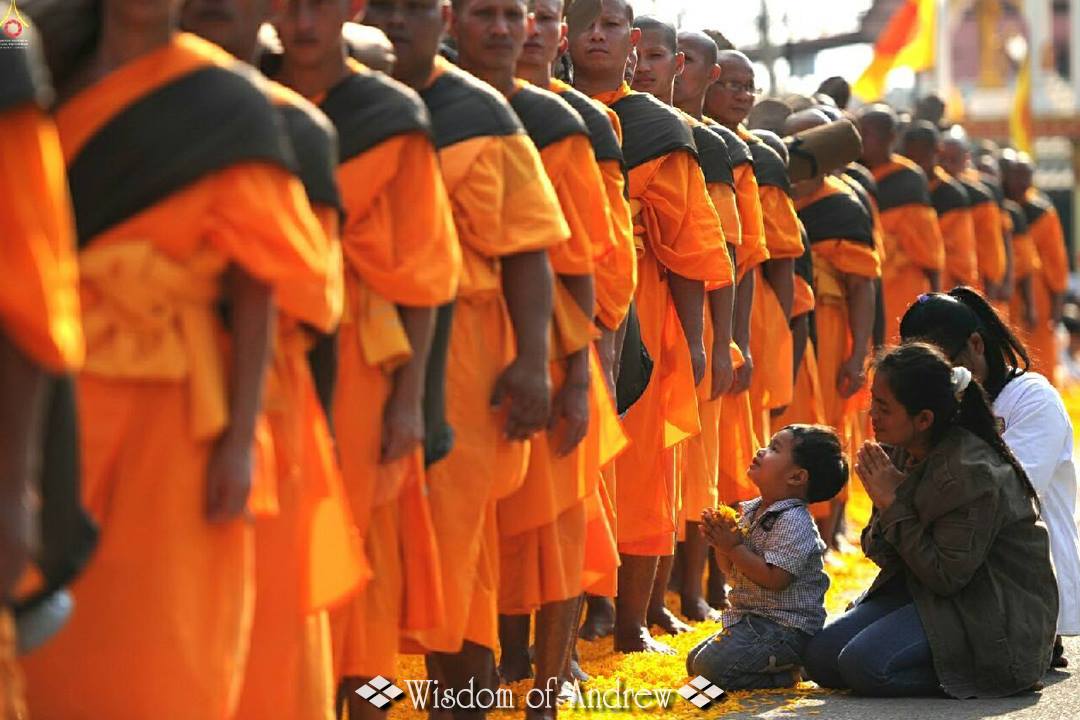

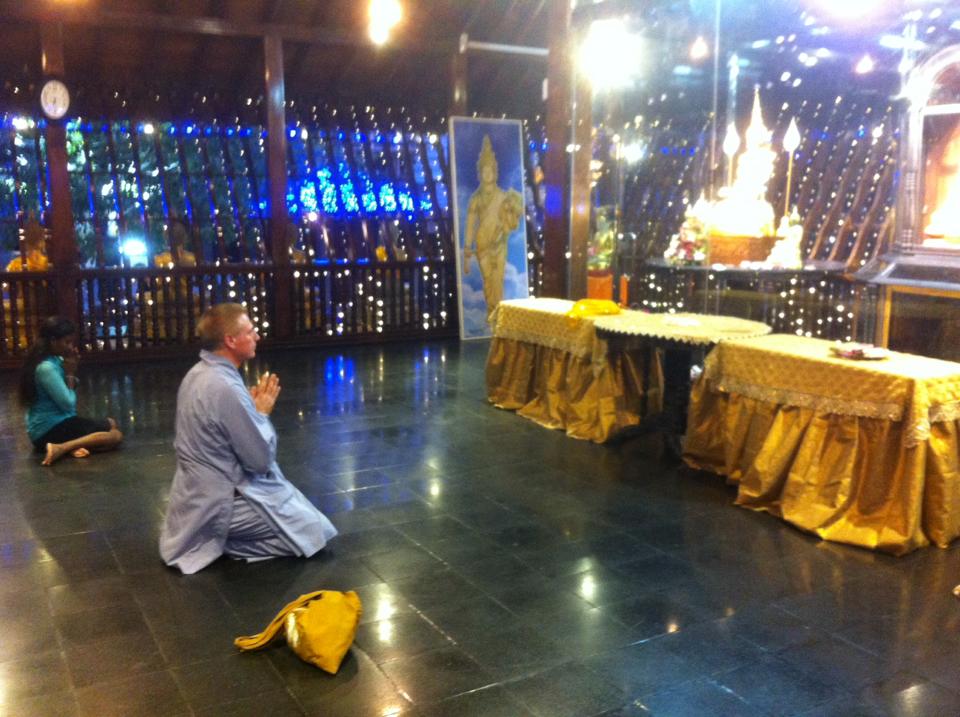
All of the various types of teachings and methods within Buddhism are related to the different capacities of understanding that different individuals have. From an absolute viewpoint, there is no teaching or method that is higher and more perfect, or effective, than another. For any particular teachings value lies solely in the inner awakening that an individual can attain through practising it. If a person benefits from any particular teaching, for that person, that teaching is the supreme teaching, the supreme path, because it is suited to his or her nature and mental capacities.
The Buddha Dharma is inclusive, not exclusive. Our aim is to benefit all sentient beings, without exception. To help all sentient beings, including ourselves, to have happiness and its causes, and to be free from suffering and it's causes, and to attain unsurpassed supreme enlightenment as swiftly as possible.
The Buddha Dharma transcends colour, texture, flavour, language, culture, tradition and nationality. It is for everyone, everywhere and at any time.
By Dharma Teacher Andrew. J. Williams


%7Cutmcsr%3D(direct)%7Cutmcmd%3D(none)%3B%2B__utmv%3D701929156.-%3B)